 Banff Gondola

 Banff Gondola and top of the mountain building was well worth the trip.
Joseph Brown, September 2026
The Banff Gondola and top of the mountain building was well worth the trip. Loved the special rate for Alberta residents (look for it on the website and make sure you book your time carefully to arrive at the right time). We parked for free at the Banff Train Station parking area and boarded the free tour coach to the Banff Gondola entrance.
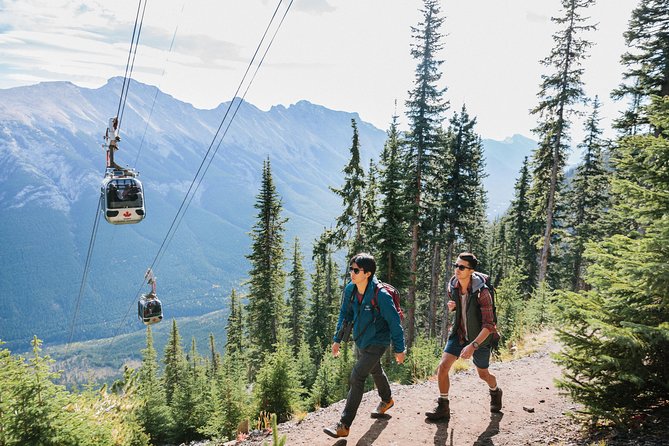
The staff were all very friendly and helpful for the ride up, off, down and off. You could opt for the hike up or down instead but that will be for another day.
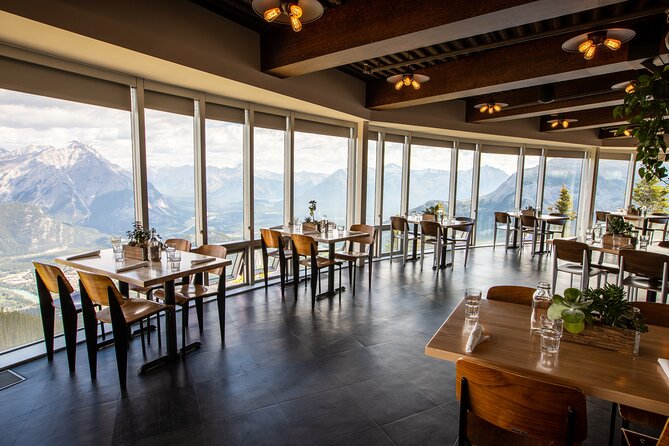
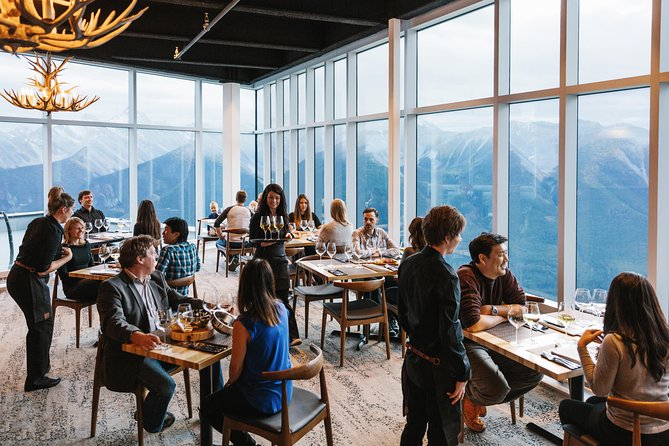
Lunch at Sky Bistro was also a great experience.
The Banff Gondola is one of Alberta's must-visit attractions and offers an unforgettable experience for visitors of all ages.
PB O2 Talks, September 2026
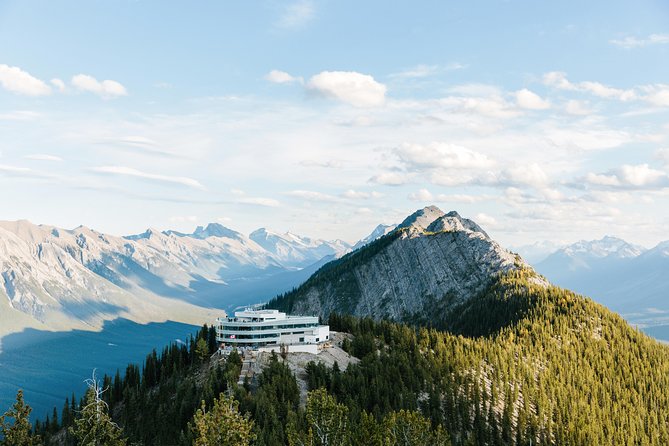
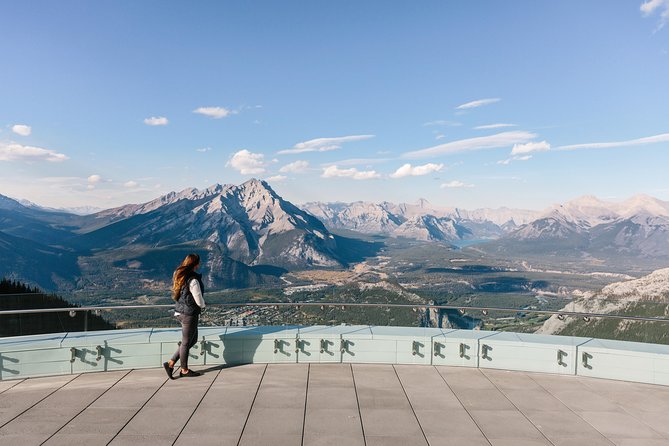
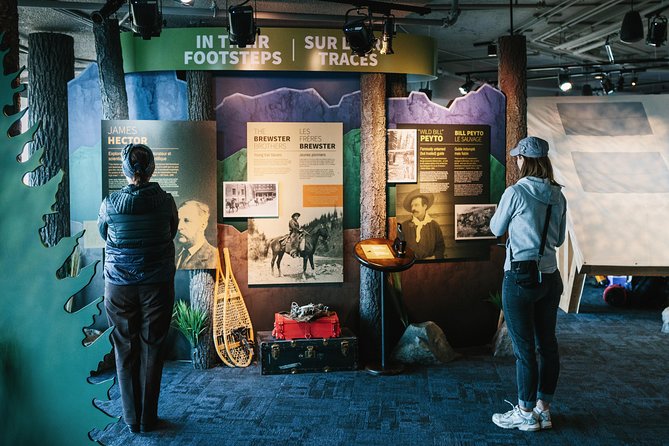
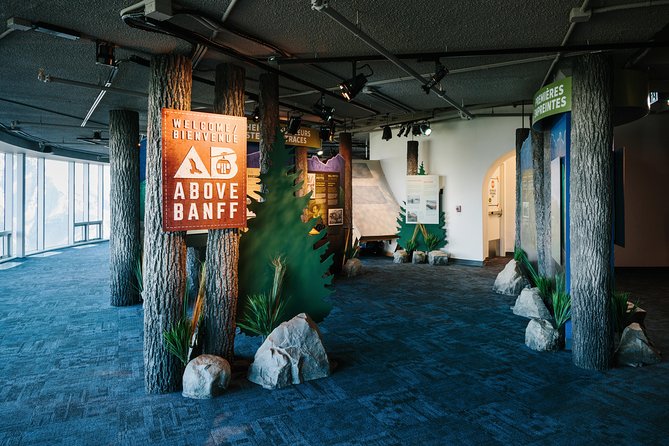
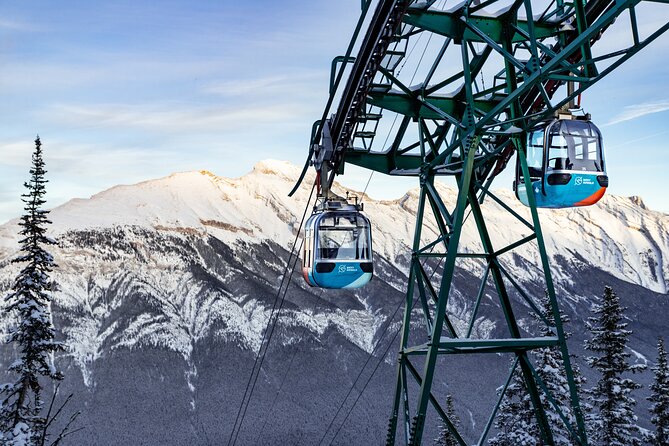
The Banff Gondola is one of Alberta's must-visit attractions and offers an unforgettable experience for visitors of all ages. The ride to the summit provides breathtaking panoramic views of Banff, the surrounding mountains, and the Bow Valley. The facilities at the top are modern, clean, and well designed, with scenic boardwalks, informative exhibits, and excellent viewing platforms.
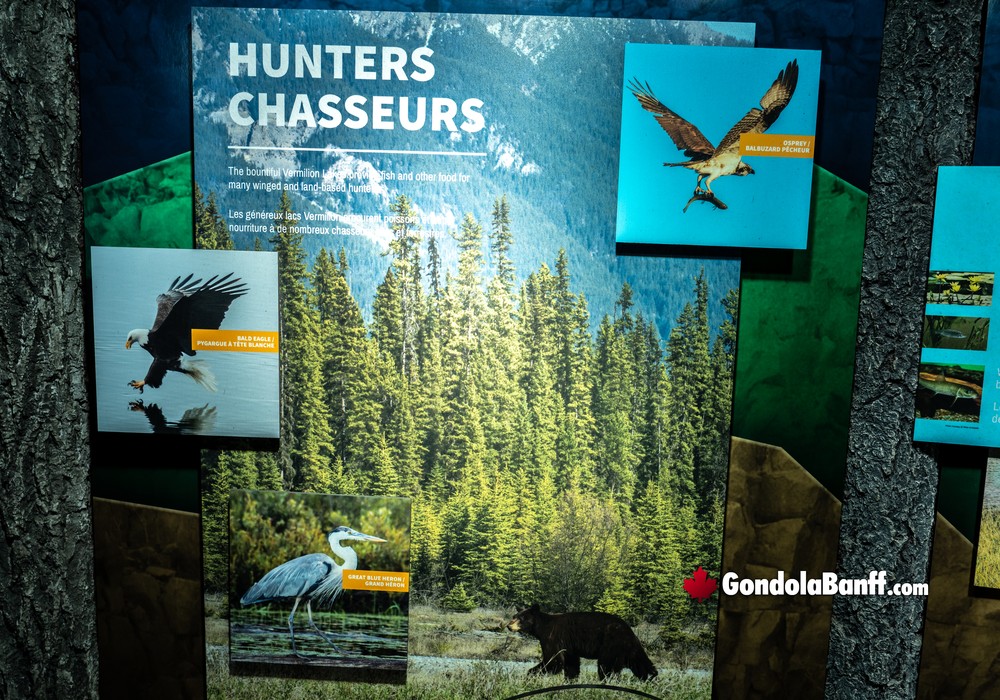
The staff are friendly and well organized, making the entire experience smooth from start to finish. It's worth taking your time at the summit to explore, enjoy the views, and learn about the area's history and wildlife.
The Banff Gondola was truly one of the most unforgettable experiences of our trip to Alberta.
Nalin Edirisinghe, September 2026
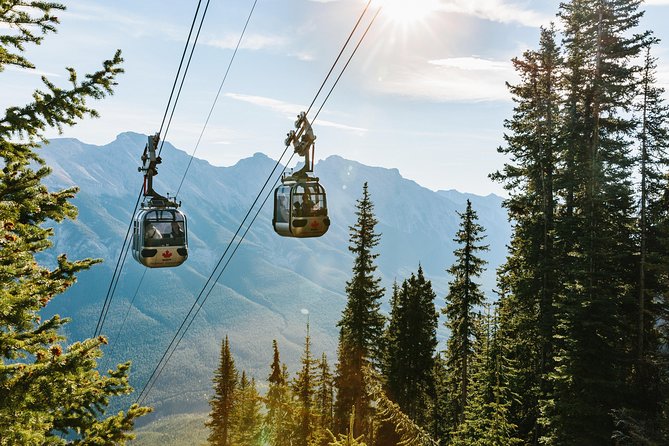
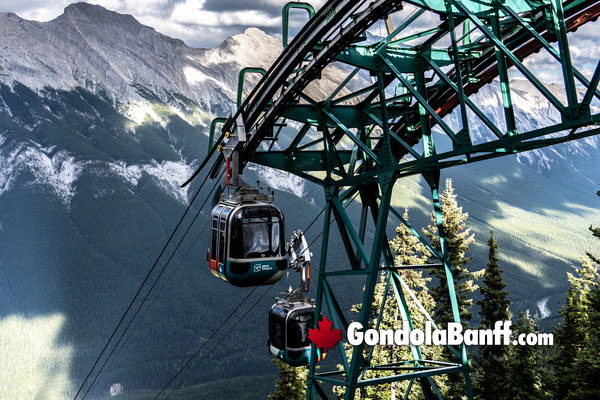
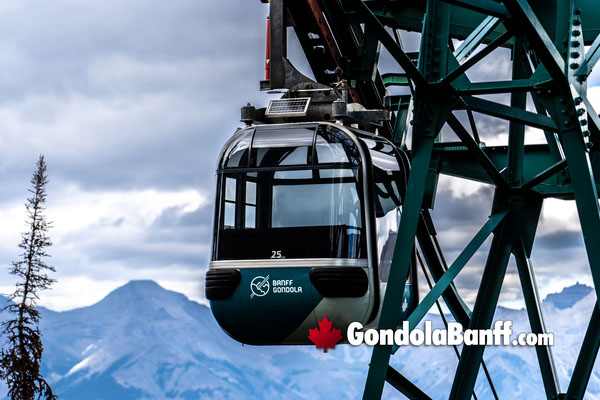
The Banff Gondola was truly one of the most unforgettable experiences of our trip to Alberta. From the moment we boarded the gondola, the journey was filled with breathtaking views of the Canadian Rockies, lush forests, and the beautiful town of Banff below. As the gondola climbed higher up Sulphur Mountain, the scenery became even more spectacular. Every moment of the ride felt magical, and it was impossible to stop taking photos of the incredible landscape.
Once we reached the summit, we were amazed by the panoramic views in every direction. The observation decks and the boardwalk leading to the historic Cosmic Ray Station were well maintained and offered countless opportunities to enjoy the surrounding mountains. The fresh mountain air and peaceful atmosphere made the visit even more special. The facilities were clean, the staff were friendly and helpful, and everything was very well organized.
The gondola was a great experience with lots of nature.
hagos shmangus, September 2026
The gondola was a great experience with lots of nature I really liked the moutines becuase of the view and really this was a good place to go anf have fun place to go to an advenuture to see all the animals and I really like this experiance and I give it at 5 stars with all the kind workers.
A must-visit in Banff!
Mohammad yas, September 2026
A must-visit in Banff! The views are absolutely breathtaking. The gondola takes you to the top, where you can explore four levels with incredible viewpoints, walking areas, and a great restaurant. We went around 5:30 PM, and there was plenty of parking available. If you're visiting in the morning, parking may be limited, but Banff's shuttle buses make it easy to get there and back. Highly recommended!